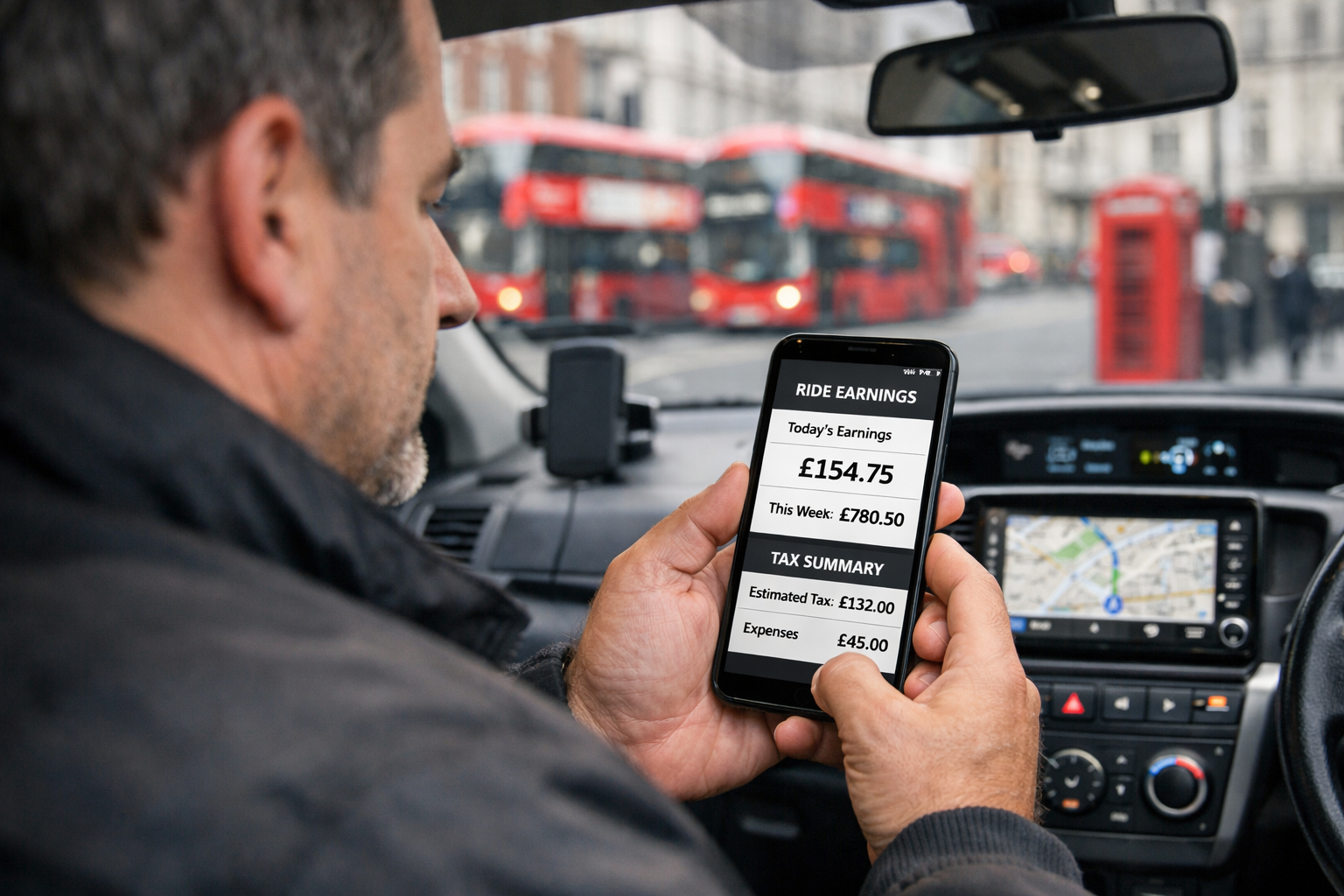
Local Uber Licensing in Lancaster Signals Shift Toward Stronger Council Control
Lancaster City Council’s decision to grant Uber a local private‑hire operator licence marks a notable change in how ride‑hailing services are regulated at a local level. Previously, many Uber drivers working in the district were licensed by other authorities, which meant Lancaster had limited power to investigate complaints or enforce standards.
By issuing a local operator licence, the council has brought those activities within its own regulatory framework. That gives licensing officers clearer authority to inspect vehicles, review driver conduct and respond to passenger concerns. For local residents, it means the same rules apply to Uber as to any other private‑hire operator based in the area.
The move also reflects a wider national debate about out‑of‑area licensing. Councils have long argued that when drivers are licensed elsewhere but work locally, enforcement becomes more difficult. Local licensing is seen as a way to improve accountability and ensure consistent standards across all operators.
For Uber, obtaining a local licence can strengthen relationships with councils and demonstrate willingness to comply with local requirements. It may also reduce friction with traditional taxi and private‑hire firms that have argued for a level playing field. However, it comes with additional administrative responsibilities and ongoing scrutiny.
Local operators are watching closely. Where a major platform is regulated under the same framework, there is greater confidence that enforcement will be applied consistently. That can help stabilise local markets and reduce tensions between different parts of the trade.
There are financial implications as well. Local licensing can affect vehicle numbers, driver onboarding times and compliance costs. For fleet investors and brokers, understanding which authority licenses a vehicle or operator is important when assessing utilisation risk. A vehicle tied to a licence that restricts where it can work may generate different revenue compared with one operating across multiple districts.
Passengers may notice little day‑to‑day difference, but the regulatory shift matters behind the scenes. Local oversight makes it easier to handle complaints, monitor safety and maintain service standards. In the long run, that can support public confidence in app‑based private‑hire services.
Lancaster’s decision is unlikely to be the last of its kind. As councils seek more control over services operating in their areas, more platforms may apply for local licences rather than relying on drivers licensed elsewhere. That trend would move the sector toward clearer lines of accountability and more consistent regulation across the country.
You might also like