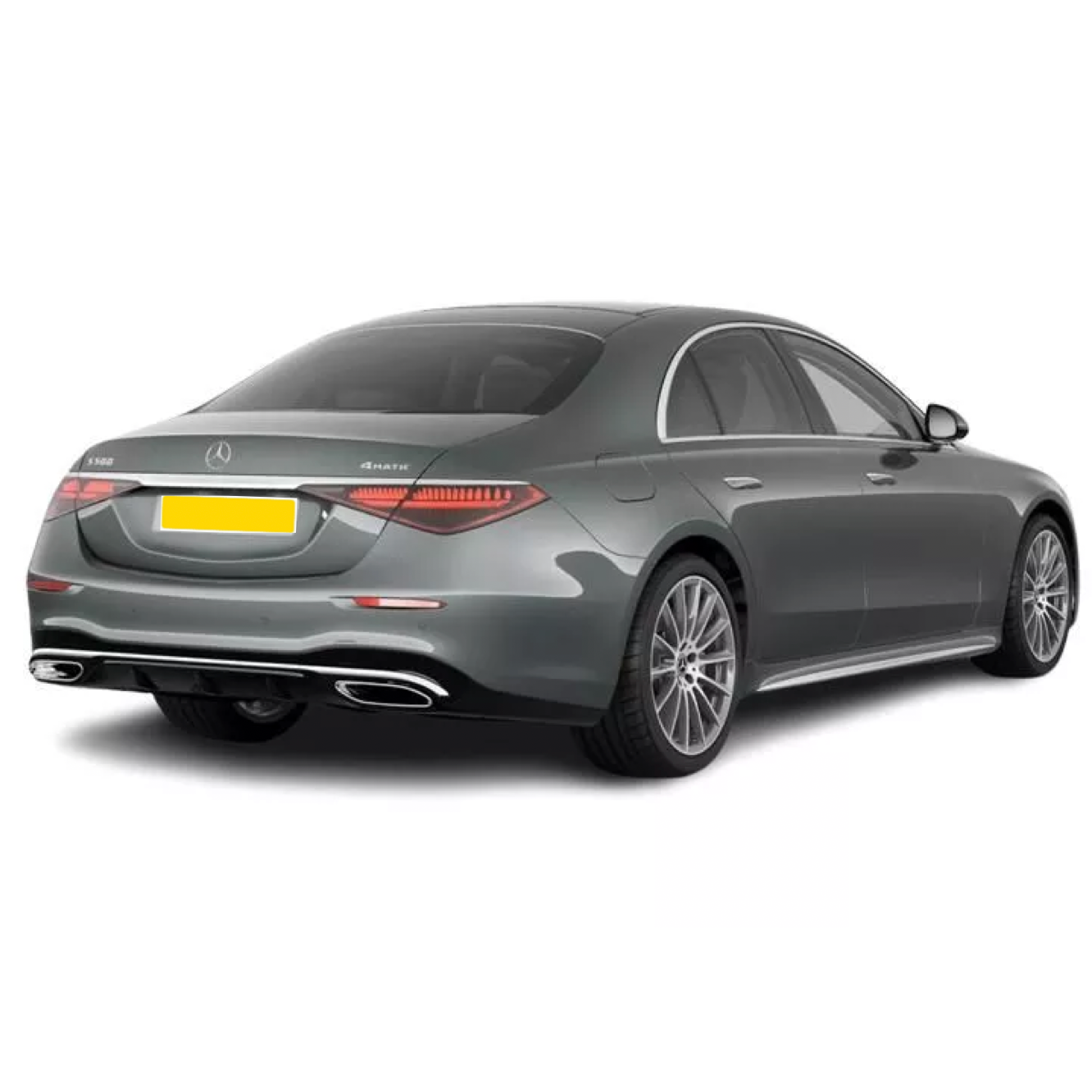
Mercedes S580e is the perfect choice for chauffeurs. Save up to £4,500 per year on ULEZ fess!
Benefits of Upgrading Your Mercedes S-Class to the Hybrid S580e for Chauffeurs Operating in ULEZ Areas
By Taxi Finance Direct • October 15, 2024
Why Mercedes S580e?

The stringent regulations demand that vehicles meet certain emission standards to avoid heavy charges, making it imperative for chauffeurs to evaluate their fleet. For those driving a Mercedes S-Class, upgrading to the new hybrid Mercedes S580e could be a game-changer, both financially and environmentally. This article will explore the compelling reasons why chauffeurs should consider making the switch, particularly when specialist asset finance options are available.
1. Understanding the ULEZ Regulations in London
London's ULEZ is designed to tackle air pollution by discouraging the use of older, higher-emission vehicles. As of 2023, the ULEZ covers all areas within the North and South Circular roads, with plans for further expansion. Chauffeurs who drive vehicles that don't meet the Euro 6 diesel standard or the Euro 4 petrol standard are subject to a daily charge of £12.50. Over time, these fees can significantly impact profits for chauffeurs operating in the city.
Why the S580e Fits the Bill: The Mercedes S580e hybrid, with its ultra-low emissions, fully complies with ULEZ standards. Upgrading to this model eliminates ULEZ charges entirely, allowing chauffeurs to operate freely across London without the burden of daily fees.
2. Financial Benefits: Cost Savings from Emission Compliance
Chauffeurs driving in ULEZ zones often find themselves facing additional operational costs due to non-compliant vehicles. Daily ULEZ charges quickly accumulate and can easily total over £4,500 annually. Moreover, fuel efficiency is another key factor, with older vehicles consuming more fuel, adding to the cost burden.
Upgrading to the S580e Offers Substantial Savings: With the hybrid engine, the Mercedes S580e combines the efficiency of electric driving with the long-range benefits of petrol, resulting in fewer trips to the fuel pump.
Chauffeurs who make the switch will not only save on ULEZ charges but will also enjoy reduced fuel consumption, leading to significant long-term savings.
3. Enhanced Customer Experience with the Mercedes S580e
For chauffeurs, the comfort and experience provided to passengers are paramount. Luxury travel is synonymous with the Mercedes S-Class, but upgrading to the S580e takes it a step further. The hybrid engine offers whisper-quiet electric-only travel for the first 60+ miles, ensuring a smooth and serene journey for clients.
Why It Matters for Chauffeurs: A quiet ride in the city is a key selling point for high-end clients. In a bustling metropolis like London, where noise pollution is common, offering a tranquil, seamless ride can set a chauffeur apart from the competition. Moreover, the environmental friendliness of the S580e resonates with today’s eco-conscious clientele, enhancing your reputation as a sustainable service provider.
4. Future-Proofing Your Fleet
The automotive industry is rapidly moving towards greener technologies, and regulatory bodies are continually tightening emissions standards. London's ULEZ is expected to expand even further, potentially covering all of Greater London in the coming years. By investing in a hybrid Mercedes S580e now, chauffeurs can future-proof their fleet, ensuring compliance with forthcoming regulations and avoiding the need for costly upgrades later.
An Investment in Longevity: The S580e isn’t just compliant with today’s ULEZ standards; it is built to meet future emission requirements. Choosing a hybrid vehicle now protects chauffeurs from the risk of their current fleet becoming obsolete due to changing laws, making it a strategic long-term investment.
5. Access to Green Financing Options
For many chauffeurs, upgrading to a new vehicle can feel financially daunting. However, with the growth of green finance initiatives, it's easier than ever to access affordable funding for eco-friendly vehicles. At Taxi Finance Direct, we specialize in providing tailored asset finance solutions, helping chauffeurs spread the cost of upgrading their fleet over manageable monthly payments.
Why Choose Taxi Finance Direct: Our asset finance solutions are designed to support businesses in making sustainable choices without breaking the bank. By spreading the cost of the Mercedes S580e, chauffeurs can align with environmental goals and regulatory requirements while maintaining cash flow for other business needs.
6. Eco-Friendly Image and Marketability
Environmental awareness has become a key consideration for businesses and consumers alike. Clients increasingly prefer businesses that prioritize sustainability. As a chauffeur operating in a luxury market, aligning your services with eco-friendly practices enhances your brand image and marketability.
The S580e's Green Credentials: The hybrid S580e is equipped with cutting-edge plug-in hybrid technology, allowing for electric-only driving in urban areas. Its eco-friendly design reduces carbon emissions, helping chauffeurs not only comply with ULEZ standards but also appeal to a growing demographic of environmentally conscious passengers.

7. Lower Maintenance Costs
Hybrid vehicles like the Mercedes S580e benefit from lower wear and tear compared to traditional petrol or diesel engines. Electric components experience less strain, and regenerative braking systems help extend the lifespan of the vehicle’s brakes.
Financial Implications: For chauffeurs, this translates to reduced maintenance costs over the lifetime of the vehicle. With fewer moving parts in the electric motor and the durability of hybrid systems, the S580e represents a cost-efficient option for long-term operation in the demanding environment of London’s streets.
8. A Smooth Transition to Electric Future
The S580e offers the best of both worlds – the ability to operate in electric mode for short city journeys and the flexibility of a petrol engine for longer trips. For chauffeurs who are not yet ready to commit fully to an all-electric vehicle, the hybrid S580e provides a stepping stone, allowing them to transition to a greener fleet without compromising on range or performance.
Flexibility is Key: Chauffeurs can experience the immediate benefits of electric driving while still retaining the peace of mind that comes with the petrol engine's reliability. This dual capability ensures that even if charging infrastructure is limited, operations can continue smoothly.
9. Greater Access to Low Emission Zones
Many cities across Europe are introducing Low Emission Zones (LEZs) similar to London’s ULEZ. Investing in the S580e not only allows chauffeurs to operate freely in London but also ensures they are compliant with regulations in other major cities across Europe.
Strategic Expansion: For chauffeurs looking to expand their operations or offer international services, the S580e guarantees unrestricted access to various LEZs across Europe, positioning your business for growth in an evolving regulatory landscape.
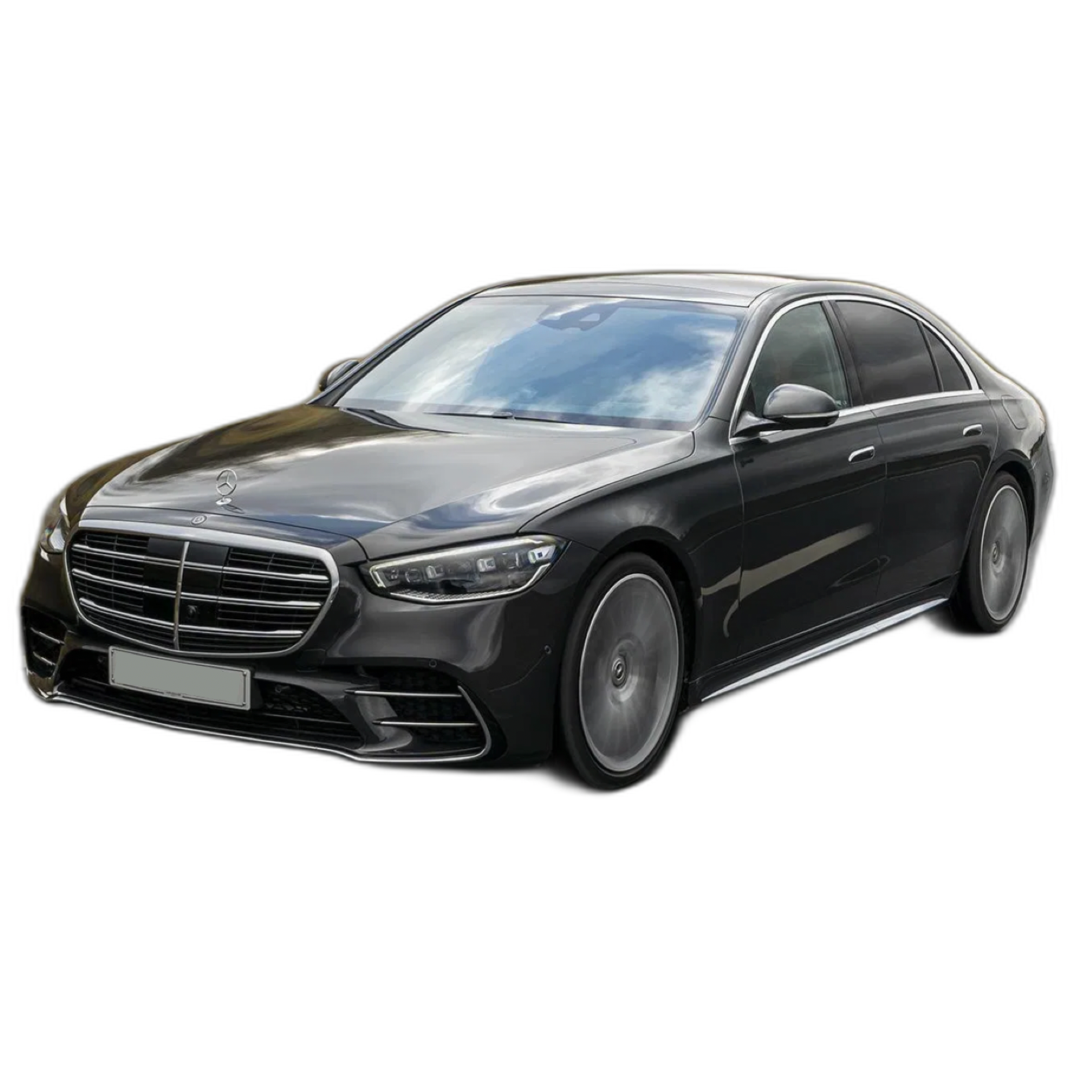
Upgrade to a Mercedes S580e and ensure you win the most lucratuve jobs!
10. Tax Incentives and Reduced Company Car Tax
Governments are encouraging the adoption of low-emission vehicles through various tax incentives. Hybrid vehicles like the Mercedes S580e often qualify for reduced company car tax rates and other benefits, making the financial case for upgrading even stronger.
Leveraging Tax Benefits: Chauffeurs who upgrade can take advantage of these incentives to offset the initial cost of the vehicle, further improving their return on investment. These tax breaks make the S580e an even more attractive option for business owners seeking to optimize their financial performance.
11. Charging Infrastructure and Convenience
London is rapidly expanding its network of electric vehicle (EV) charging stations. The hybrid Mercedes S580e can be charged overnight at home or at various public charging points, ensuring it's ready for the next day’s operations.
Convenience for Chauffeurs: With the flexibility of petrol and electric options, chauffeurs can charge the S580e during downtime, minimizing disruptions to their schedule. This seamless integration of charging into daily operations makes the switch to a hybrid vehicle more convenient than ever.
12. Prestige and Performance: The Mercedes Badge
Mercedes has long been synonymous with luxury, and the S580e is no exception. Offering high-end performance, state-of-the-art technology, and unparalleled comfort, the S580e continues the tradition of excellence that the Mercedes S-Class is known for.
A Winning Combination: Chauffeurs who choose the S580e not only comply with ULEZ regulations but also deliver an exceptional client experience, combining luxury with sustainability – a critical selling point in today's competitive market.
How much will I save on ULEZ charges by upgrading to the S580e?
Upgrading to the hybrid S580e eliminates the £12.50 daily ULEZ charge, potentially saving you over £4,500 annually if you operate in ULEZ zones daily.
How far can the S580e travel on electric power alone?
The Mercedes S580e can travel approximately 60+ miles in electric-only mode, making it ideal for city driving.
What financing options are available for upgrading to the S580e?
Taxi Finance Direct offers flexible asset finance solutions, allowing you to spread the cost of the S580e over manageable monthly payments.
Will the S580e help my business attract eco-conscious clients?
Absolutely! The S580e’s low emissions and eco-friendly profile appeal to a growing demographic of clients who prioritize sustainability.
Is the S580e compliant with future emissions regulations?
Yes, the S580e is designed to meet current and future emissions standards, making it a future-proof investment.
Can I use the S580e in other European Low Emission Zones?
Yes, the S580e meets the emissions standards of many Low Emission Zones across Europe, allowing you to operate seamlessly across borders.
For chauffeurs operating in London's ULEZ areas, upgrading to the Mercedes S580e is not just a luxury – it’s a necessity. With significant cost savings.
You might also like
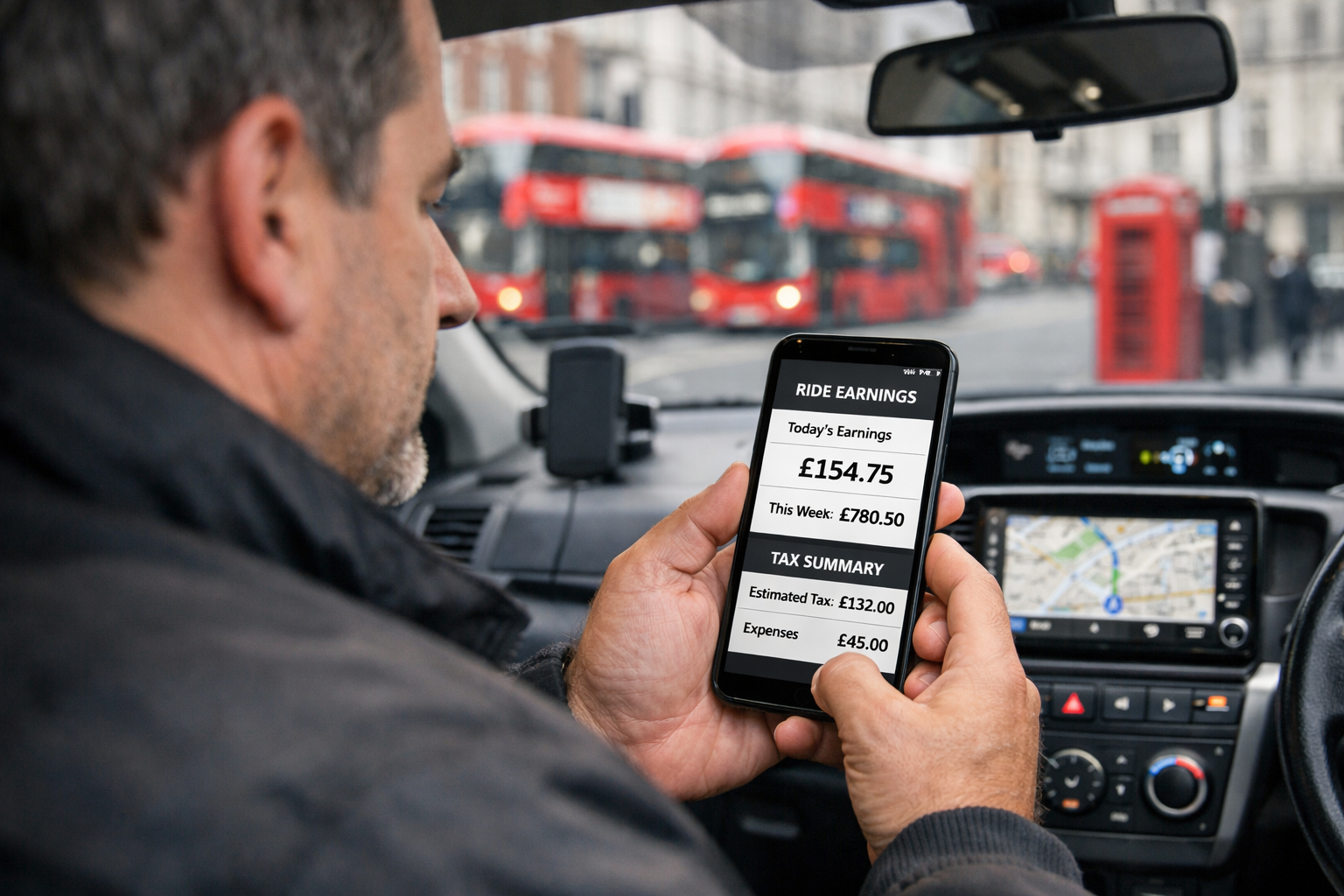
Tax policy rarely grabs headlines in the taxi sector, but recent changes to the way VAT is applied to ride‑hailing fares have created significant debate across the industry. The UK government introduced new rules designed to ensure the full value of minicab fares is subject to VAT when processed through platforms such as Uber. The measure was expected to raise hundreds of millions of pounds in tax revenue each year. However, the situation quickly became more complicated. Uber’s Contract Changes In response to the new tax rules, Uber revised its contracts with drivers across much of the UK. Under the revised structure, Uber positions itself as an agent connecting passengers with drivers rather than the supplier of the transport service itself. This change means drivers technically provide the service and are responsible for charging VAT if required. Why the Tax May Not Apply to Many Fares Most private‑hire drivers earn less than the UK VAT registration threshold, which currently sits at £90,000 in annual revenue. If a driver earns below that level, they do not have to register for VAT. That means the 20% tax will not be added to their fares. As a result, many rides booked through Uber outside London may continue to avoid the VAT increase that policymakers expected to see. Differences in London The situation is different in London. Transport for London requires ride‑hailing platforms to operate under a model where the platform is considered the transport provider. Because of that rule, VAT still applies to the full fare in the capital. This creates an unusual situation where the same ride‑hailing company operates under different tax structures depending on where the journey takes place. Impact on the Taxi Industry For traditional taxi and private‑hire operators, the issue is not just about tax. The way ride‑hailing companies structure their contracts affects pricing, competition and driver earnings. Changes to VAT rules can influence fare levels and therefore demand. Some industry figures argue that the rules should be clearer so that all operators compete under similar tax conditions. What Drivers Should Watch Drivers need to pay close attention to how their contracts are structured and how tax obligations apply to them. If earnings rise above the VAT threshold, drivers may be required to register for VAT and charge it on fares. That could affect both pricing and income. Understanding these rules is becoming an important part of running a private‑hire business. Looking Forward The taxi sector has always adapted to regulatory change. The current VAT debate is another example of how legal and tax frameworks can reshape the economics of ride‑hailing. For drivers, operators and platforms, staying informed about these changes will be essential as the industry continues to evolve.
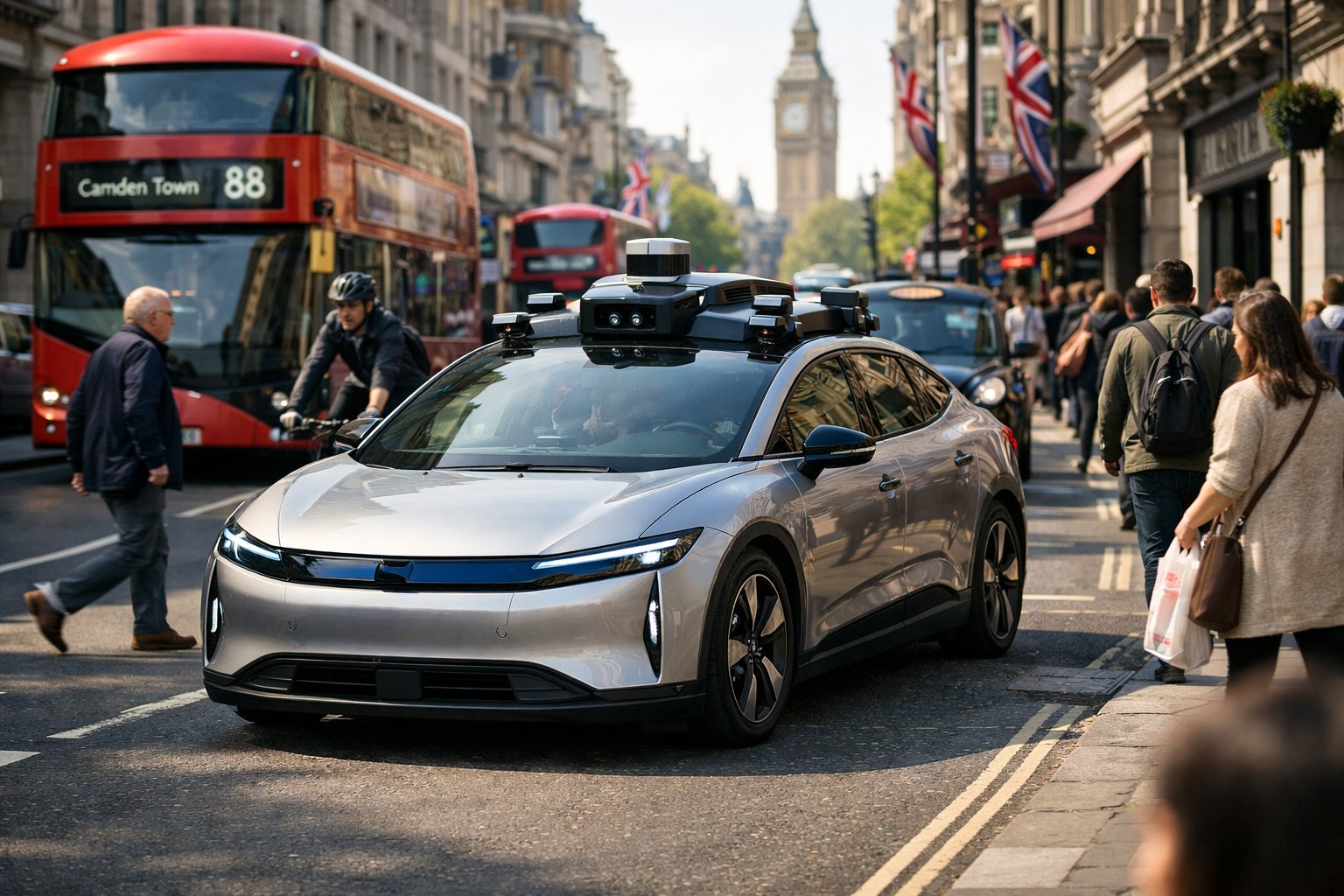
London is preparing for a major shift in urban transport as several companies plan to introduce driverless taxis in the city over the next year. Ride‑hailing platforms including Uber and Lyft are working with Chinese technology firm Baidu to launch autonomous taxi trials in 2026. The vehicles will use Baidu’s Apollo Go self‑driving system, which has already been deployed in cities across China. The trials are part of the UK government’s effort to accelerate autonomous vehicle development. Britain wants to position itself as a leading market for this technology, and London’s dense traffic environment makes it an ideal testing ground. Why London Matters London is one of the world’s most complex driving environments. Narrow roads, heavy pedestrian traffic, cyclists and buses all create challenges that autonomous systems must learn to handle. Because of this complexity, companies often train their systems in stages. Vehicles initially operate with safety drivers while they collect mapping data and learn how to respond to local road behaviour. Alphabet’s autonomous vehicle division Waymo is already carrying out this process. Its cars have been spotted driving around London with human operators behind the wheel while the technology is refined. How Robotaxi Fleets Work Autonomous taxis operate differently from traditional taxi services. Instead of individual drivers owning or leasing vehicles, robotaxis are typically run as large fleets managed by technology companies or mobility platforms. The vehicles are designed to operate for long hours with minimal downtime. This changes the business model. Revenue depends on vehicle utilisation rather than driver shifts. Fleet operators focus on charging infrastructure, maintenance schedules and software updates rather than driver recruitment. For the taxi and private‑hire sector, that means the industry may gradually move toward a mix of human‑driven and autonomous services. What It Means for Drivers Robotaxis are unlikely to replace human drivers in the short term. Early deployments will involve small fleets operating in limited areas while regulators monitor safety. Drivers still provide services that technology struggles to replicate, such as assisting passengers with accessibility needs, handling unusual journeys or navigating unpredictable traffic conditions. However, automation could change parts of the market. Short, routine journeys may eventually be served by autonomous vehicles while drivers focus on premium, specialist or high‑service trips. Regulation and Safety The legal framework for self‑driving vehicles is being established through the Automated Vehicles Act, which sets rules on liability and operational responsibility. Under the new system, the company operating the autonomous vehicle — not the passenger — will be responsible if something goes wrong. This approach is intended to provide clarity for insurers, regulators and the public. The Road Ahead Robotaxi trials in London represent the first real test of autonomous ride‑hailing in the UK. The technology has already logged millions of miles in the United States, but London presents a completely different challenge. If the trials succeed, they could mark the beginning of a gradual transformation in how taxi services operate across the country.
The UK government is moving toward national minimum standards for taxi and private‑hire licensing, alongside the possibility of larger regional licensing areas. The aim is to reduce inconsistencies between councils and improve passenger safety across England. At present, licensing rules vary widely between local authorities. This affects driver vetting, vehicle requirements and enforcement capacity. It also allows drivers licensed in one area to work predominantly in another, which has long been a point of tension within the industry. National standards would introduce consistent background checks, safety requirements and accessibility rules. For passengers, that means greater confidence that any licensed vehicle meets the same baseline. For drivers, it could mean clearer expectations but also more rigorous compliance. Operators may face transitional costs as systems and documentation are aligned with new rules. However, greater consistency can reduce long‑term administrative complexity, particularly for businesses operating across multiple regions. Larger licensing areas are also being considered. This could improve enforcement by aligning licensing with wider transport authorities rather than individual councils. It may also make it easier to share data and carry out joint compliance operations. For fleet owners and finance providers, regulatory clarity is positive. Consistent standards reduce uncertainty when assessing risk across different regions. Vehicles operating under a uniform framework are easier to value and finance than those subject to highly localised rules. Drivers will need to monitor consultation outcomes closely. Changes to medical checks, training requirements or safeguarding standards could affect licence renewals. Planning ahead and keeping documentation current will be essential to avoid interruptions to work. The reforms are still in development, and industry input will shape the final framework. However, the direction is clear: stronger safety oversight and more consistent licensing across the country. For the UK taxi and private‑hire sector, this is a structural change rather than a short‑term adjustment. Businesses that invest early in compliance systems, driver training and clear governance will find the transition smoother and be better positioned for future regulatory developments, including the integration of autonomous vehicles.