VAT changes and Uber’s contract rewrite — what drivers, operators and lenders must model now
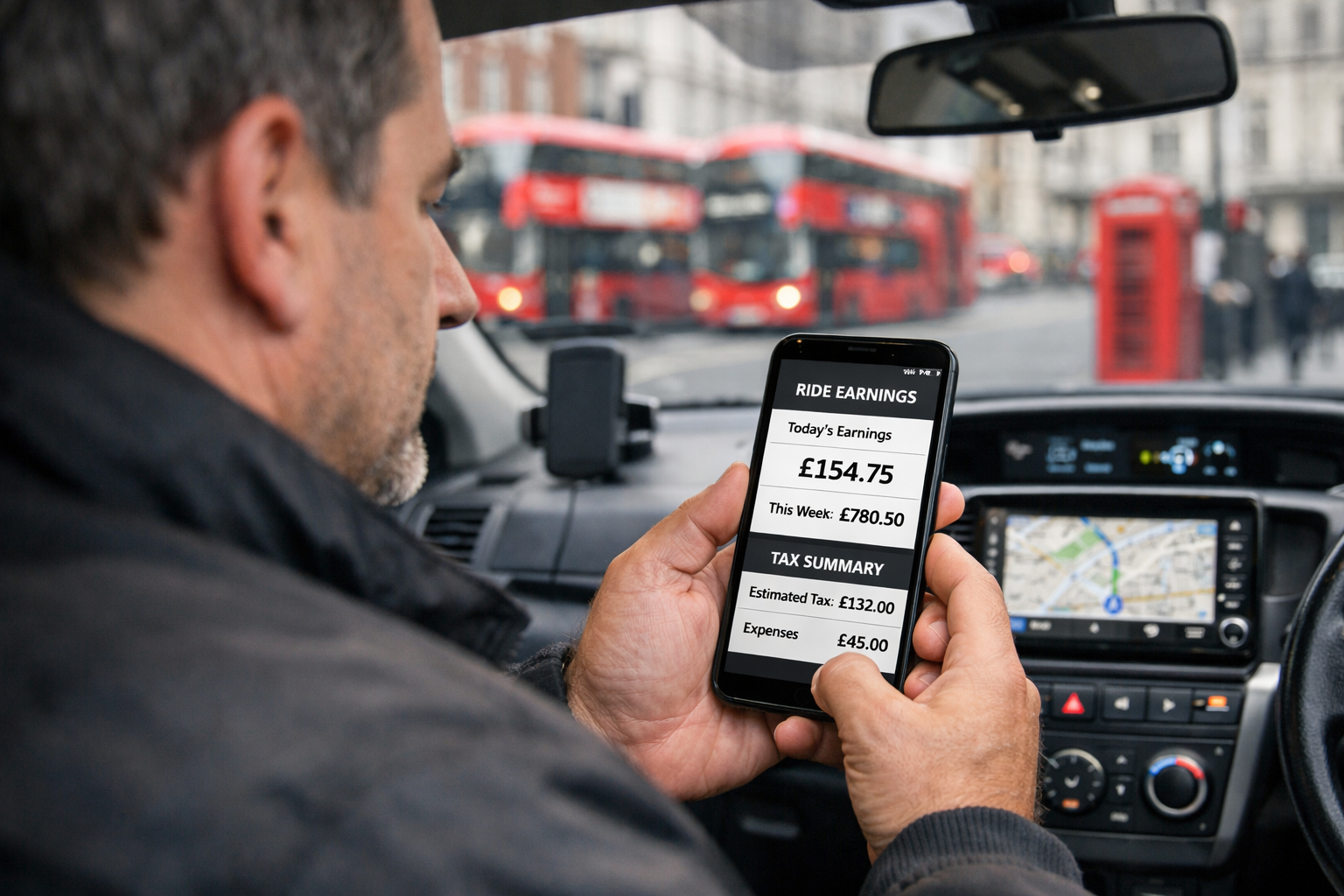
In January 2026 new VAT rules changed how the private hire sector is treated for VAT in the UK. The detail matters: who is the supplier of transport determines who must charge VAT. Platforms, drivers and brokers are now dealing with new tax and contract arrangements that affect fares, margins and forecasting.
What happened and why it matters
The government updated the VAT approach so fares could become subject to 20% VAT when the platform is the transport supplier. In response, outside London Uber rewrote contracts to emphasise an agency relationship: Uber acts as an agent and the driver is the supplier. That shift moves responsibility for VAT and related reporting to drivers — though many drivers fall below the VAT registration threshold and so fares stay VAT‑free in practice. London remains different because TfL requires a different model.
Immediate practical impacts for drivers and operators
Drivers must check whether they need to register for VAT, and how that affects take‑home pay and pricing. Operators and fleet owners should review their invoicing and accounting; if platforms change who invoices customers, revenue timing and reclaim rules change too. Brokers and lenders should stress‑test models for different VAT outcomes — what if key routes become taxable? How does that affect margins, residual values and lease payments?
How to model the risk (practical steps)
- Re-run cashflow forecasts with both VAT and non‑VAT scenarios.
- Identify trigger points where VAT registration would be required (driver turnover thresholds, company turnover).
- Build contingency for price sensitivity — if fares rise, demand may fall on marginal routes.
- Review contract terms with platforms and operators to clarify who issues invoices and when payments occur.
Longer‑term picture
This change reveals how tax and contract design can rapidly reshape market economics. Expect platforms, operators and regulators to keep testing arrangements regionally. For lenders and brokers, the right response is simple: stress‑test, document assumptions, and build buffer into finance structures where VAT or contract role might shift overnight.
Bottom line
VAT changes are not just a tax issue — they change who carries cashflow risk. Model both sides, be conservative on revenue assumptions, and make sure documentation captures who is contractually responsible for supply and VAT. That clarity protects drivers, operators and anyone financing vehicles.
You might also like