UK Taxi Sector Faces Driver Protest Over Uber Changes as Licensing Landscape Shifts
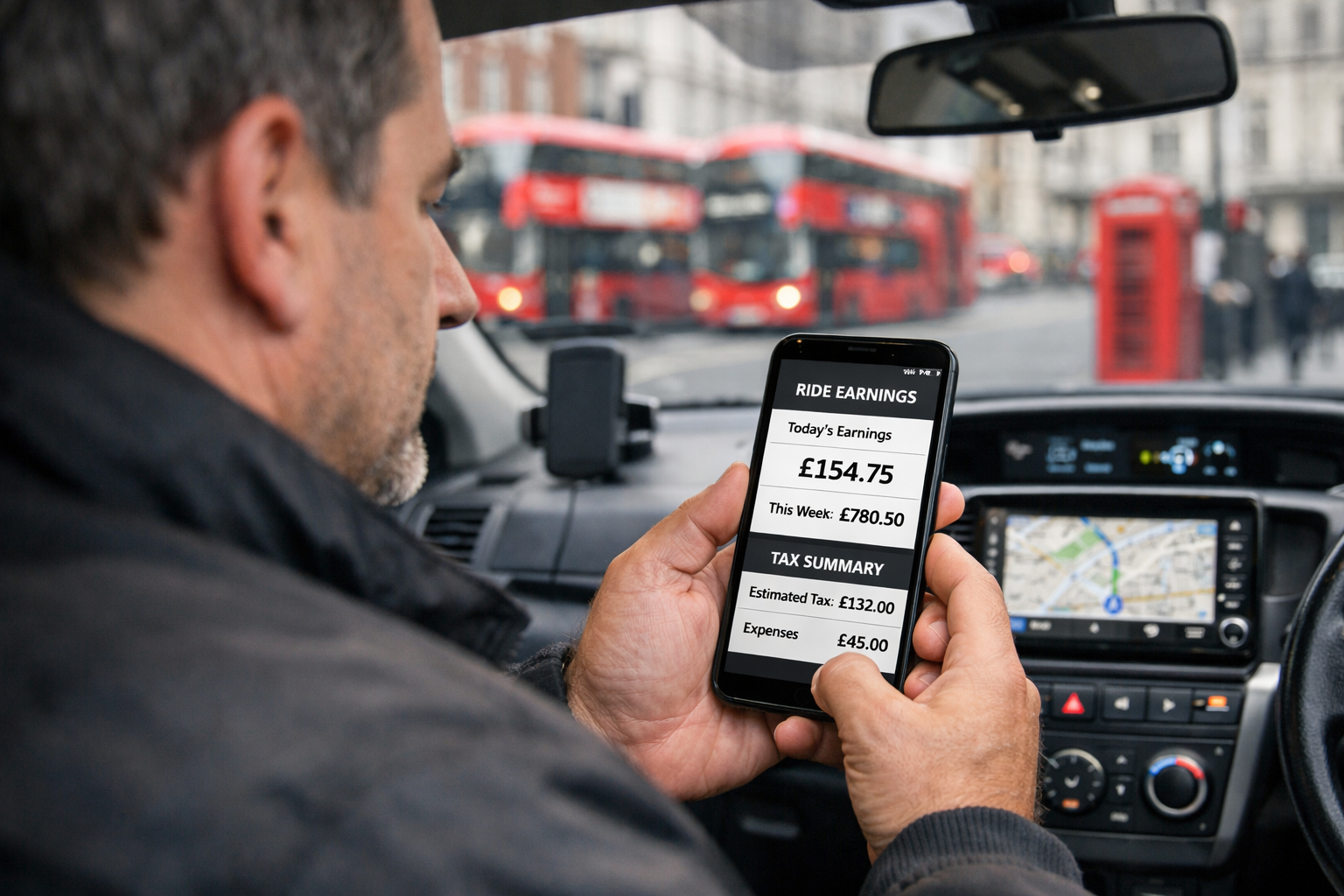
The UK taxi and private hire sector is facing fresh tension as drivers prepare for a coordinated, UK‑wide strike against Uber. The App Drivers’ and Couriers’ Union has urged private hire drivers to log out of the Uber platform for 24 hours in early February in protest at new pricing and commission terms introduced in January. Drivers are concerned that commissions on some rides can reach nearly half of gross fares, squeezing earnings and widening the gap between driver costs and take‑home pay.
This strike reflects broader structural shifts in the UK taxi industry. Competition from global ride‑hailing platforms has reshaped work patterns for drivers, while local councils and regulators push back against practices they say undermine fair competition. Uber’s terms form part of broader platform changes that also include adjustments to pricing transparency, driver engagement and service availability. With tight margins already a challenge for private hire drivers, the new terms have intensified calls for clearer protections and more equitable share of fare revenue.
One of the most visible signs of regulatory pressure on platforms is Uber’s recent withdrawal from Southend, where the company surrendered its private hire operator licence after facing local licensing conditions deemed too demanding to meet. The move highlights the growing role that city and council rules play in defining where and how ride‑hailing platforms can operate. Local licensing conditions vary across England and can influence driver earnings, safety standards and consumer fares.
Drivers’ unions argue that a fair taxi ecosystem depends on transparent, consistent licensing and operations, with drivers earning a sustainable income. The union strike is an attempt to focus attention on the imbalance between platform gains and driver returns. While platforms argue that flexible engagement and digital dispatching benefits drivers and passengers, the tension underscores a need for more balanced dialogue.
In response, some industry bodies are urging constructive negotiation. They point out that driver retention and satisfaction are crucial for reliable service levels and overall passenger confidence in ride‑hailing. Operators and local fleets may be better positioned to provide stable conditions by working directly with councils on licensing terms, fare setting and safety standards.
The strike also comes at a time when automated vehicle pilots are gaining momentum in UK cities. Autonomous taxis, if introduced at scale, could eventually reduce dependence on human drivers altogether, changing the economics of ride‑hailing and private hire. For now, though, income pressures remain a central driver concern.
Overall, the protest highlights how labour terms, licensing conditions and global platform strategies intersect in today’s UK taxi market. Drivers, operators and policymakers will need to work together to ensure that the industry remains viable, equitable and responsive to both driver welfare and passenger demand.
You might also like