By taxi finance direct team
•
March 16, 2026
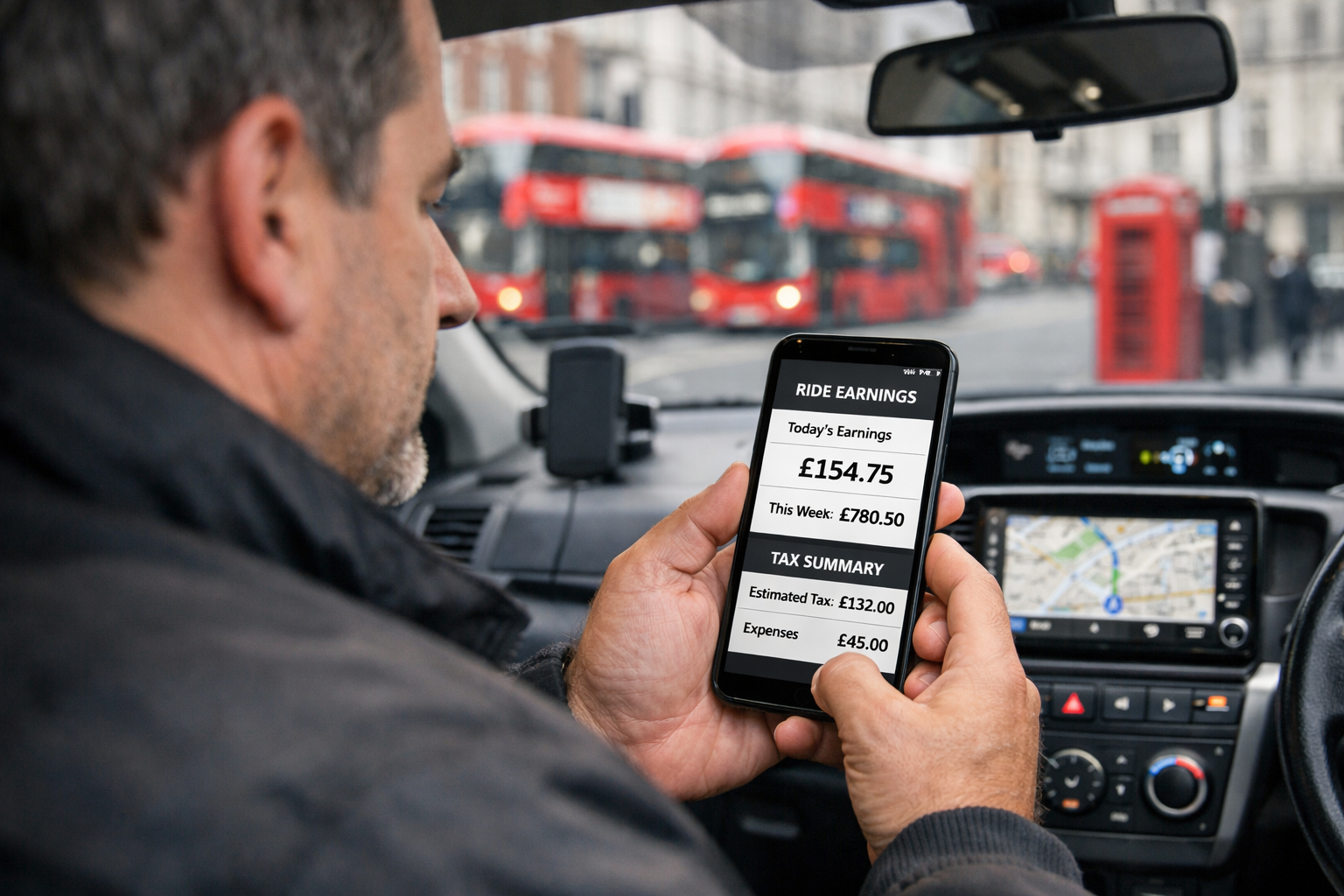
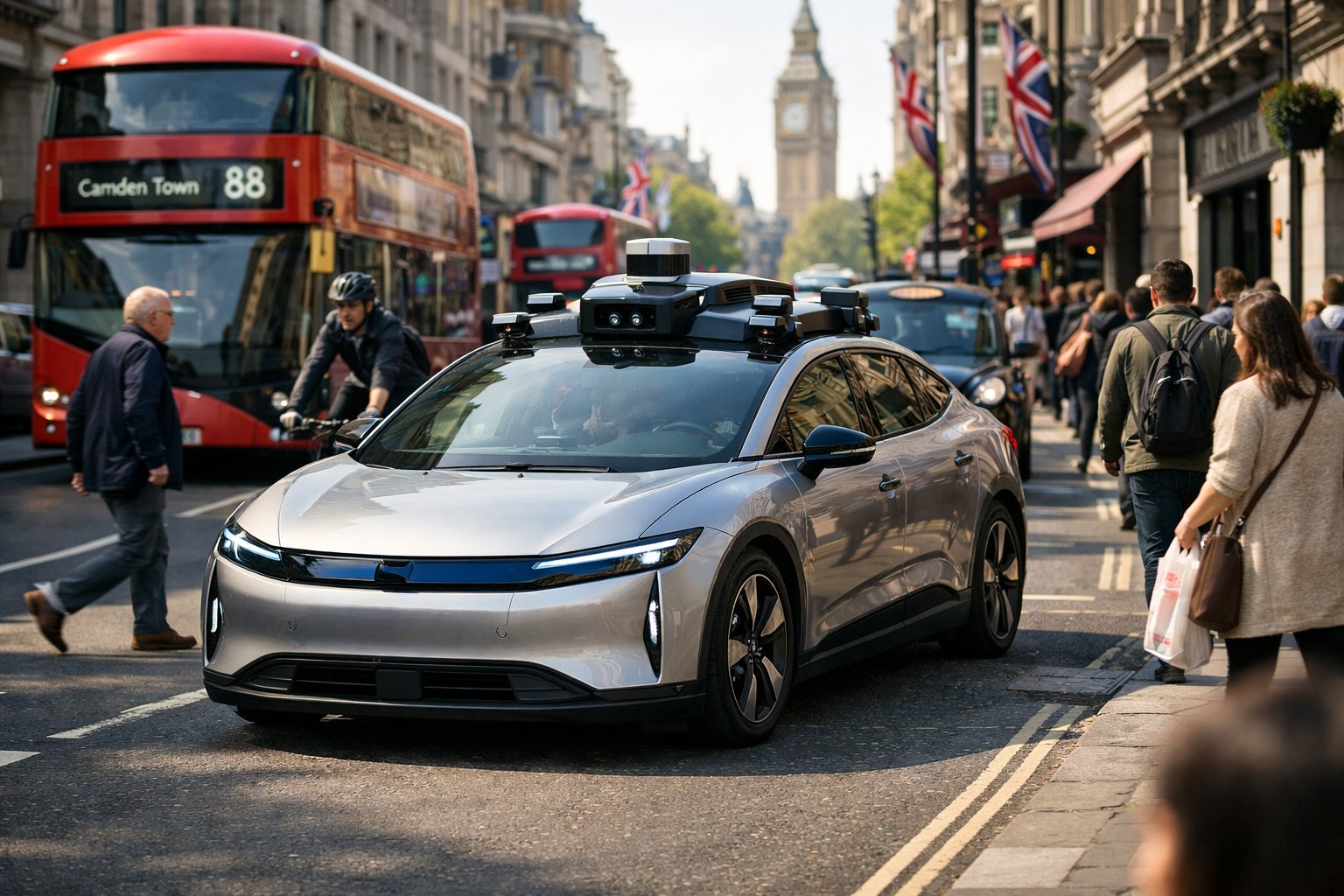
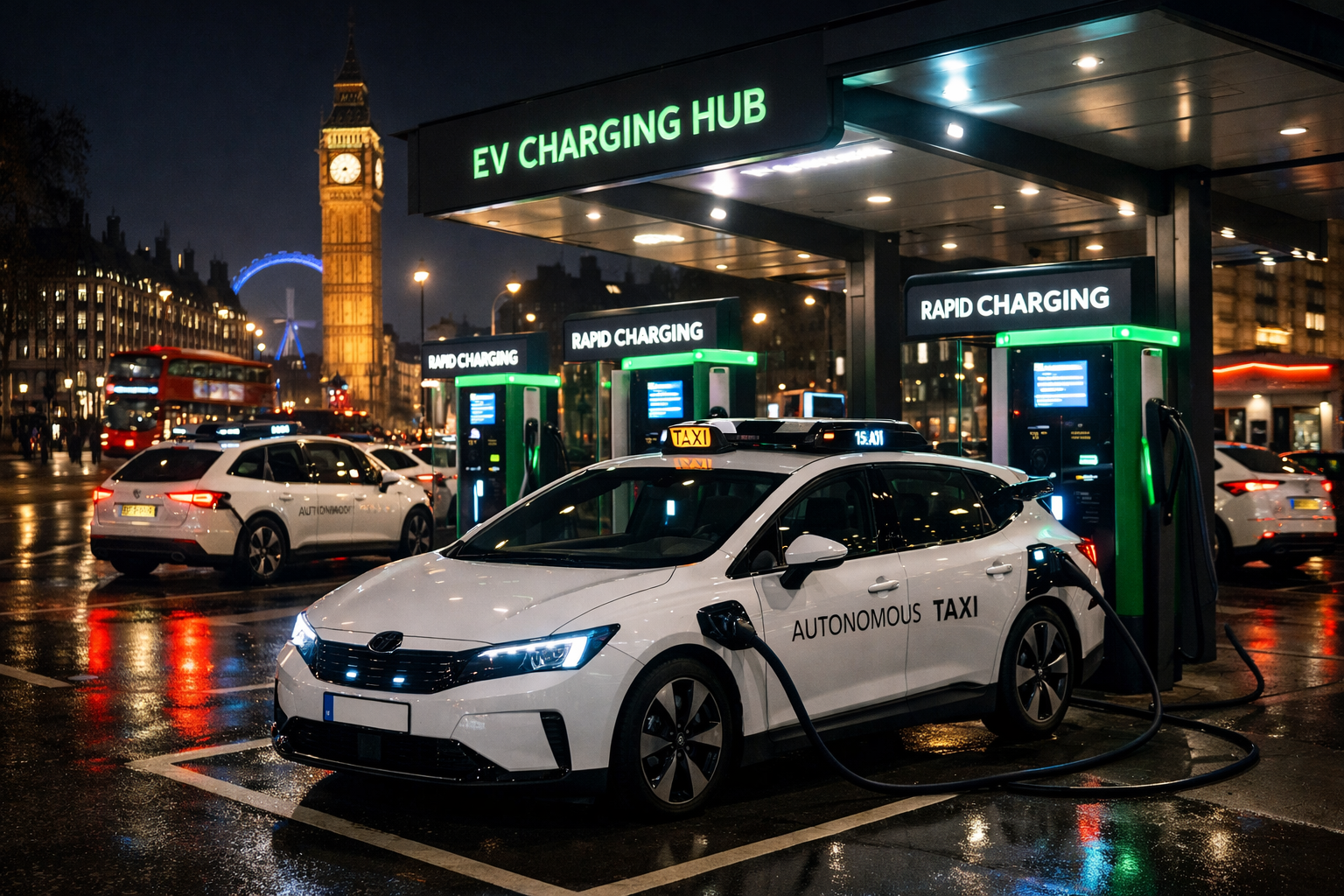
London is preparing for a major shift in urban transport as several companies plan to introduce driverless taxis in the city over the next year. Ride‑hailing platforms including Uber and Lyft are working with Chinese technology firm Baidu to launch autonomous taxi trials in 2026. The vehicles will use Baidu’s Apollo Go self‑driving system, which has already been deployed in cities across China. The trials are part of the UK government’s effort to accelerate autonomous vehicle development. Britain wants to position itself as a leading market for this technology, and London’s dense traffic environment makes it an ideal testing ground. Why London Matters London is one of the world’s most complex driving environments. Narrow roads, heavy pedestrian traffic, cyclists and buses all create challenges that autonomous systems must learn to handle. Because of this complexity, companies often train their systems in stages. Vehicles initially operate with safety drivers while they collect mapping data and learn how to respond to local road behaviour. Alphabet’s autonomous vehicle division Waymo is already carrying out this process. Its cars have been spotted driving around London with human operators behind the wheel while the technology is refined. How Robotaxi Fleets Work Autonomous taxis operate differently from traditional taxi services. Instead of individual drivers owning or leasing vehicles, robotaxis are typically run as large fleets managed by technology companies or mobility platforms. The vehicles are designed to operate for long hours with minimal downtime. This changes the business model. Revenue depends on vehicle utilisation rather than driver shifts. Fleet operators focus on charging infrastructure, maintenance schedules and software updates rather than driver recruitment. For the taxi and private‑hire sector, that means the industry may gradually move toward a mix of human‑driven and autonomous services. What It Means for Drivers Robotaxis are unlikely to replace human drivers in the short term. Early deployments will involve small fleets operating in limited areas while regulators monitor safety. Drivers still provide services that technology struggles to replicate, such as assisting passengers with accessibility needs, handling unusual journeys or navigating unpredictable traffic conditions. However, automation could change parts of the market. Short, routine journeys may eventually be served by autonomous vehicles while drivers focus on premium, specialist or high‑service trips. Regulation and Safety The legal framework for self‑driving vehicles is being established through the Automated Vehicles Act, which sets rules on liability and operational responsibility. Under the new system, the company operating the autonomous vehicle — not the passenger — will be responsible if something goes wrong. This approach is intended to provide clarity for insurers, regulators and the public. The Road Ahead Robotaxi trials in London represent the first real test of autonomous ride‑hailing in the UK. The technology has already logged millions of miles in the United States, but London presents a completely different challenge. If the trials succeed, they could mark the beginning of a gradual transformation in how taxi services operate across the country.